

Gambling has a way of blurring boundaries faster than almost any other hobby. Starting off with a quick round of a clash game or a small bet on a Sunday match can easily start to feel more important. Before you know it, you might be thinking that this could actually be a way to make a little extra money. If it’s just a hobby, it’s okay. But the moment the “income” mentality kicks in, things usually start to get difficult.
Bets work best when they are in the “fun” category. It’s not a job, it’s not a side hustle, and it’s not a reliable way to pay the bills. Understanding these differences will keep your experience fair and, more importantly, much less stressful.
Why it’s easy to get the wrong idea
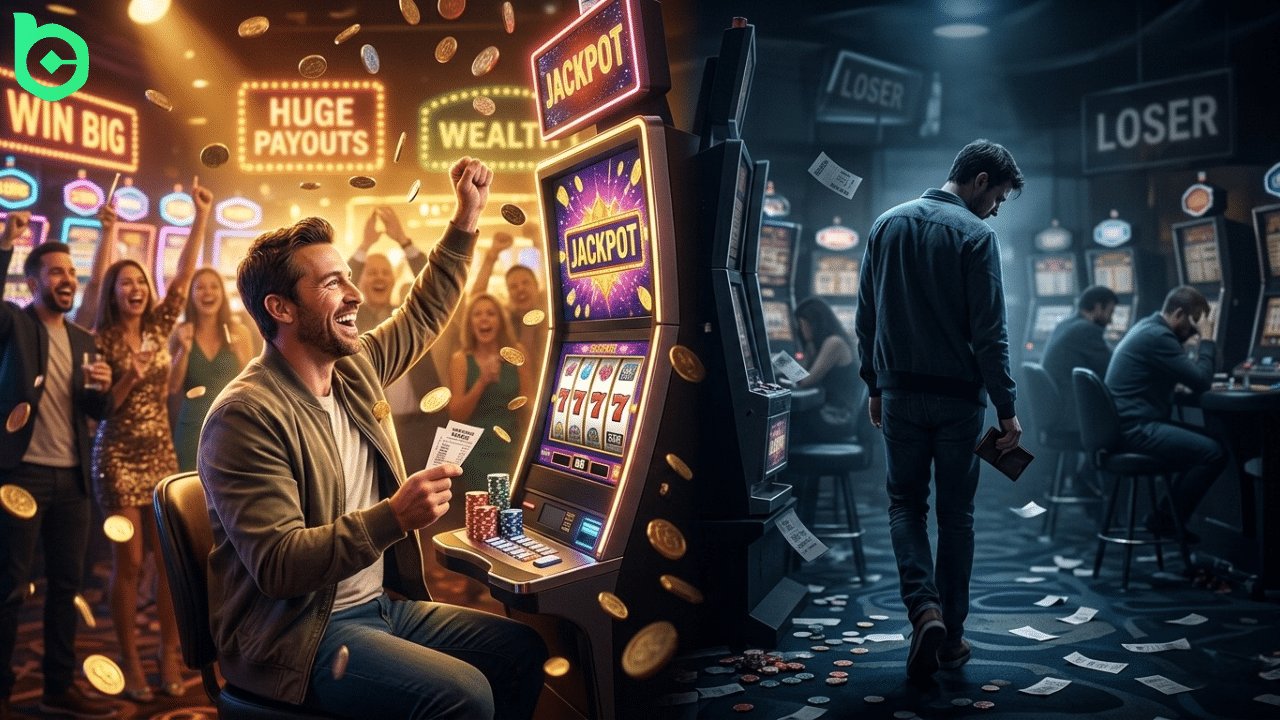
It’s easy to see why people fall into the trap of thinking that gambling can be a steady income. A quick victory is achieved. This is the heart of the game. Casinos are experts at using sounds, bright lights, and celebratory animations to make even small wins feel like huge accomplishments. Your brain creates excitement that makes the win feel much bigger than the dollars and cents it actually reflects.
What you don’t often see is a long, quiet series of normal victories or defeats. People don’t tend to share balance ledgers or screenshots of boring Tuesday nights when they broke even. They share a huge multiplier with the “Moon” shot. This creates a distorted reality. As you continue to watch other people’s highlights, your own standards for “normal” start to drift away from the mathematical reality of the game.
The moment the mood changes
The real change doesn’t happen in your wallet. It happens in your head. This is all what you expect when you log in.
Treating gambling as entertainment makes the entire experience lighter. You go into it knowing that the money you’re spending will be spent on some pleasure, not unlike buying concert tickets, going to the movies, or ordering a nice dinner. If you leave with more than you started with, that’s a big bonus. Otherwise, you don’t feel “robbed” because you’ve already accepted that the cost is part of the fun.
But when it starts to feel like a way to make money, that mindset flips. Suddenly the loss isn’t just the cost of entertainment. It is a “problem” that needs to be fixed. Winning is no longer fun and surprising, and you start to feel like “progress” needs to be repeated. If you put that much pressure on yourself, the game is no longer a game. I no longer play for the thrill. You are playing to reach a goal, which cannot be guaranteed in the short term.
Math we tend to ignore
Every game has its own unique style, but whether it’s a sportsbook, slot machine, or crash game, the basic math is the same. That means the house always has the upper hand.
That doesn’t mean you can’t win. People win every day. What matters is the period. This is what makes gambling so exciting. In the short term, anything can happen. You can go on a hot streak that leaves you feeling like you’ve cracked the code. However, the built-in edge is designed to be present over a long period of time.
This is usually where the confusion begins. If you win three days in a row, it feels like the “system” is working. Losing for a week feels like a continuation of bad luck that needs to be “corrected” by playing more. In reality, most of the time it’s just the “variation” that does the job. Luck has no memory and you cannot win just because you have lost a few times.
How to keep it fun
The best way to prevent gambling from becoming a source of stress is to treat it like any other expense. If you spend money on a night out, you probably don’t expect that money to come back when the evening is over. You know you traded that cash for a good time. Applying the same logic to gambling makes everything easier.
Setting clear expectations before you even open the app will make the results feel less personal. A win becomes a real highlight, and a loss doesn’t spoil the mood because you’ve already taken responsibility for it.
It also helps you slow down. When you “work” at gambling, you tend to make quick, repetitive choices to achieve your goals. When you play for fun, you’re more likely to take your time and enjoy the process. It remains relaxed and deliberate rather than becoming a frantic chase.
Learn about the “work” mindset
The clearest sign that the fun is over is when gambling starts to feel like an obligation. If you feel like you have to play to reach a certain number or can’t stop until everything is “balanced,” you’ve crossed a line. At that point, even if you won at that moment, the excitement has worn off.
When every outcome becomes life-or-death based on budget, gaming is no longer a choice but a burden. Keeping a tight line between “fun” and “financial” is the only way to stay in control. Gambling should not be a burden on your shoulders, but rather a way to relax and add a little fun to your day. When it starts to feel like work, it’s time to get off work.