
From POGOs to cryptocurrency casinos: How is gambling in the Philippines evolving?

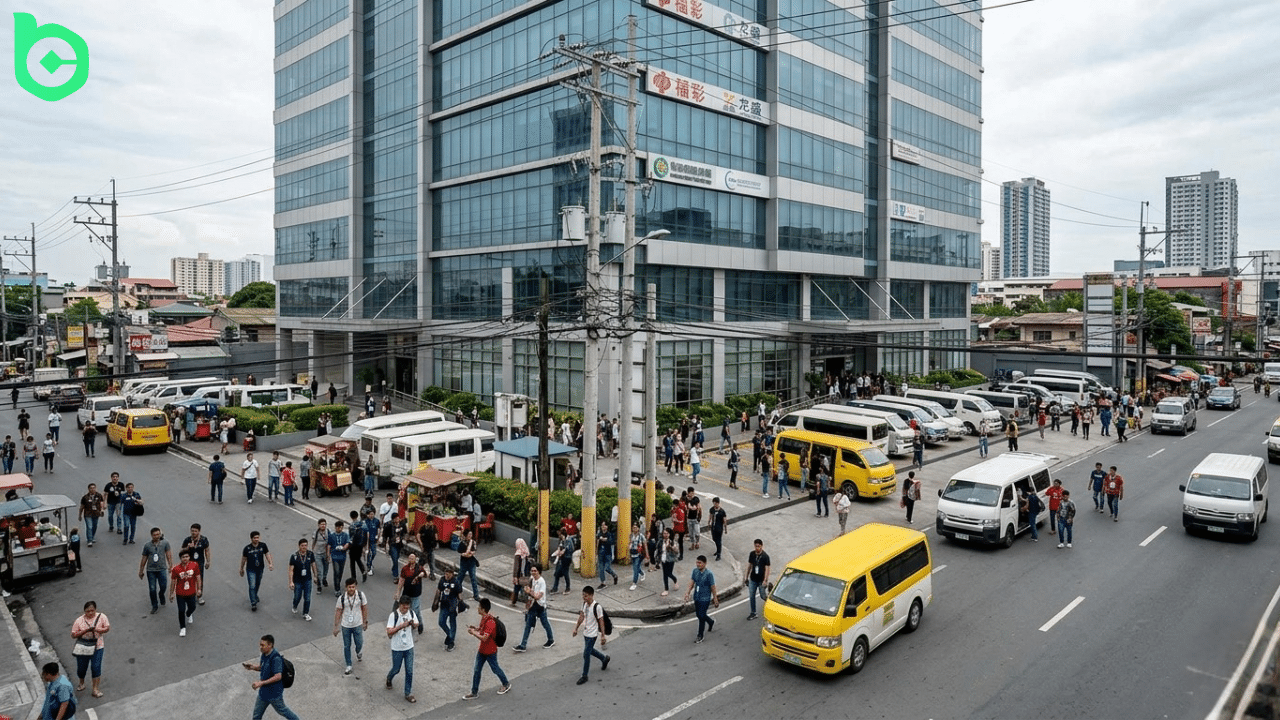
If you’ve been following Philippine gambling news over the past few years, you’ve probably noticed how quickly things have changed. Large international gaming hubs used to control this area, but now things are much more digital, faster moving and, frankly, harder to keep up with. From POGOs to cryptocurrency casinos, entire industries are changing, and it’s happening faster than most people thought.
When POGOs dominated overseas gambling
POGO, which stands for Philippine Offshore Gaming Operators, used to be common. They didn’t really go after local players. Instead, they were licensed by the government to primarily serve clients in other countries while working in the Philippines.
At their best, POGOs have become a huge part of the economy. There were many people working from home, including thousands of people in customer service, technical support, and administrative roles. If you lived near a workshop, you’ve probably seen the effects firsthand.
But with growth came problems that were difficult to ignore. Illegal activities such as fraud and human trafficking were reported. It has become increasingly difficult for authorities to distinguish between good and bad operations. Eventually, the government took control of the system and shut it down.
Gambling takes place both mobile and locally.
Once the POGO is no longer visible, something else has quietly taken its place. Online gaming isn’t going away. It’s easier to access and easier to localize.
There are no longer any large corporations based overseas. Instead, there are platforms that target Filipinos directly. Some of these are online gambling games, sports betting apps, and even online bingo. What’s the biggest difference? Now you have everything in your pocket.
You no longer have to go to the casino or sit in front of your computer. You can bet from anywhere as long as you have a phone and an internet connection. Because it’s so easy, that level of convenience has completely changed the way people gamble.
It also makes it difficult to tell the difference between fun things and more important things. If entry were that easy, it wouldn’t just be something you do occasionally. It can quickly become something you do all the time.
The emergence of cryptocurrency casinos
Now things get even more interesting. As online gambling became more popular, cryptocurrency casinos began to appear.
These sites go one step further by using cryptocurrency instead of fiat currency. There are no banks, no long waiting times for transactions, just digital wallets and transactions that happen almost instantly. That’s a big attraction for many people.
Cryptocurrencies also provide privacy. Some platforms do not require you to go through the same name resolution as regulated platforms. This makes it attractive to users who want fewer restrictions.
But cryptocurrency games are tricky for the same reason. Many of them do not follow traditional methods, so they do not always have to follow Philippine law. This is vague and easy to access, but not always simple to manage.
Regulations are catching up.
As a result of these changes, authorities now have to deal with a very different gambling environment. When POGO first launched, its main goal was to monitor physical offices and licensed operators. It is time to pay attention to digital sites that can appear and disappear at any time.
The Philippine Amusement and Gaming Corporation (PAGCOR) is still in charge, but its role is now quite difficult to fulfill. Where previously you only had to monitor a few large players, you now have to deal with a wide range of apps, sites, and cryptocurrency-based platforms.
Integrating games into everyday skills is one of the biggest challenges. The entry point could be an e-wallet, mobile app, or even a social network. It’s not about gambling anymore. It’s also about ecology.
This makes it more difficult to monitor the law, especially if some platforms operate outside of local jurisdictions.
Where is all this headed?
One thing is certain: gaming in the Philippines is no longer what it used to be. The digital shift is already underway, and the trend will only get stronger.
The future will see more decentralized, mobile, and connected games. Cryptocurrencies will continue to grow in importance, especially as more people learn how to use digital currencies.
But authorities must also change the way they do their jobs. Controlling payment systems, app distribution and digital advertising is likely to attract more attention than operators.
It’s not an easy balance. On the one hand, there is demand and innovation. On the other hand, they require supervision and protection.
The game has changed and it’s not slowing down
Going from POGO to cryptocurrency casino is not a simple change. This brought about a major change in the way Filipinos gamble. Things that used to be gathered in one place and easily verified are now distributed across various blockchain networks, apps, and platforms.
The biggest difference is that there is no longer a single “hub”. There is no place or system where gambling cannot occur. This can happen anywhere in the digital world.