

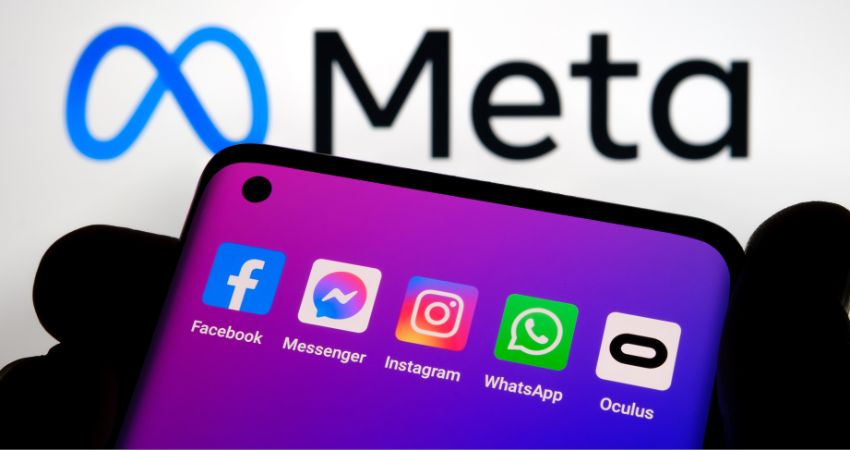
meta We have started rolling out paid subscription plans. Instagram, Facebookand WhatsAppWe are also preparing an AI-centric subscription layer under a new umbrella called ‘.meta one‘. At first glance, this announcement looks like a consumer monetization strategy. For corporate communications and workplace leaders, this is a more structural signal. Mainstream messaging platforms are moving toward compute price intelligence and paid priority tiers.
This is important because corporate communications strategies are no longer limited to the tools IT officially deploys. It’s also about the channels your employees and customers are already using. In many regions and industries, this includes WhatsApp. When the world’s largest messaging surface begins packaging premium features and AI capacity into subscriptions, enterprises inherit new governance, risk and cost dynamics, even if IT did not initially approve the channel.
Sarah Perez of Tech Crunch summed it up:
“Meta is doubling down on its subscription services.”
See more of Mehta’s works
WhatsApp is already an enterprise infrastructure, but it’s not in the org chart.
The strongest corporate angle is WhatsApp. WhatsApp is often considered the world’s largest shadow communication platform. This shows up in frontline operations, logistics coordination, medical scheduling, retail shift messaging, field service updates and supplier communications, especially in markets where WhatsApp is the primary channel.
This puts business leaders in a familiar position. Channels are operationally realistic even when not governed. Meta’s move to introduce WhatsApp Plus adds a new layer to this reality. That means paid features, user-level upgrades, and ultimately AI enhancements that can change the way information is created, shared, and maintained within ‘informal’ business conversations.
WhatsApp Plus includes features like themes, custom ringtones, additional pinned chats, list customization, and premium stickers. It sounds light, but it points to an expansion path. Once subscription behavior is established, adding premium AI features to your messaging becomes much easier.
Meta One and monetizing AI capabilities
The most important detail is AI layering. Meta is testing two AI plans: Meta One Plus ($7.99 per month) and Meta One Premium ($19.99 per month). The premium plan unlocks more capacity for ‘higher compute queries’ and provides deeper inference for complex tasks along with more video and image creation capabilities across Meta apps, it said.
“Premium plans provide more capacity at higher compute queries.”
This is no longer a ‘social media’ pricing story. This is a story about computing economics. AI features are expensive. Vendors are increasingly packaging intelligence by capacity. This is similar to what corporate buyers are already seeing elsewhere. Pay more for better models, deeper inference, or higher usage. Meta is now applying the same logic to consumer-scale communication surfaces.
The bigger pattern: paid intelligence is becoming the default
When we place Meta’s movements alongside the broader market, a clear pattern emerges. AI is moving from novelty to utility, and utility is measured. The free AI era does not end overnight but is becoming layered. Basic support remains free. Premium inference, premium generation, and premium distribution become paid layers.
For UC Today readers, these patterns are important because they change the way communication platforms evolve. Historically, consumer platforms have monetized attention and sold advertising. Now they are monetizing features such as identity, reach, and intelligence. This results in increased subscriptions that can indirectly influence corporate behavior. Team Cost Subscription. Leaders ask for paid visibility. Employees use premium AI capabilities in unmanaged situations. Governance must catch up.
What this means for your corporate communications strategy
This story is relevant to businesses when focusing on operational results.
- Increased risk of shadow channels: Paid features can accelerate adoption among teams that are already using WhatsApp informally.
- AI-in-messaging adds new compliance questions. When AI supports drafting, summarizing, or creating content within consumer apps, expectations of auditing and retention collide with reality.
- Increasing subscription costs create budget problems. Small per-user fees scale quickly as adoption spreads organically.
- Identity and reach become monetization levers. The Business and Creator plans explicitly state price visibility, search prominence, and promotions.
Meta’s creators and business plan reinforce the same logic. Meta One Advanced includes benefits such as appearing high in Facebook and Instagram search results and being featured in your feed. It is paid preferentially. Even if most businesses don’t purchase these plans, the model itself is important. Communication platforms increasingly place prices directly on ‘benefits’.
gist: Meta’s subscription launch is a sign that messaging platforms are shifting to a paid feature tier and AI capabilities are combining identity and reach with monetization features. For businesses, the next challenge isn’t whether employees will use these apps. Whether your governance and communication strategies already acknowledge this.
Frequently Asked Questions
What subscriptions has Meta launched for Instagram, Facebook and WhatsApp?
Meta is launching Instagram Plus, Facebook Plus ($3.99 per month) and WhatsApp Plus ($2.99 per month), which offer additional features such as customization and insights.
What is MetaOne?
Meta One is an umbrella brand for testing new subscriptions, including AI-centric and professional plans for creators and enterprises.
How does Meta’s AI subscription tier work?
Meta is testing Meta One Plus ($7.99 per month) and Meta One Premium ($19.99 per month). The premium tier provides more capacity for higher compute queries and deeper inference for complex tasks.
Why is this important for corporate communications?
This is because WhatsApp and other Meta apps already operate as shadow communication channels in many industries and geographies. Subscription tiers and AI capabilities increase the burden of governance, compliance, and cost management.
Will the new release of Meta replace Meta Verified?
Meta said the new Plus plan does not replace Meta Verified, which focuses on verification, impersonation prevention and support.