


Digital wallet hacking and other forms of digital theft are a major problem for individuals and organizations engaging in such activities. cryptocurrency trading. The cryptocurrency market has attracted the attention of both serious investors and unethical hackers due to the massive rise in value that has occurred over the years. We will tell you through this blog. How to prevent cryptocurrency fraud or hacking. I will also share the name of the wallet which is the safest cryptocurrency wallet to store your cryptocurrencies.
Fundamentals of Cryptocurrency Security
Blockchain technology is the fundamental system that protects cryptocurrencies from all kinds of fraud and cyber threats. Blockchain uses two types of encryption: hash functions and public key cryptography to ensure the security of cryptocurrency and other information. The purpose of the hash function is to ensure that no one can change the data stored on the blockchain without being notified of the modification. This is achieved by preventing unauthorized users from modifying the data. This achieves its goal by making it very difficult to identify two versions of data that produce the same output value when hashed. This is done by hashing the data and ensuring that the output values produced are unique.
1. Encryption: The backbone of cryptocurrency security
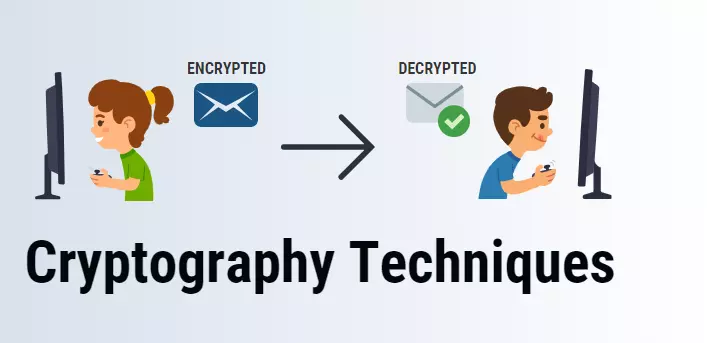
The use of codes in encryption is a technique to secure information and communications with the goal of ensuring that only the individuals who intend to read and use the information can understand and act on it. As a result, it prevents unauthorized parties from accessing the information. Mathematical principles and rule-based computational systems known as algorithms are used in encryption to alter a message in a way that makes the information it hides difficult to decipher. The procedures used to protect information are derived from these mathematical principles. These algorithms are used for data privacy, Internet online browsing, encryption key generation, digital signatures, and verification to protect confidential transactions such as credit and debit cards.
2. Public and private keys: protection components
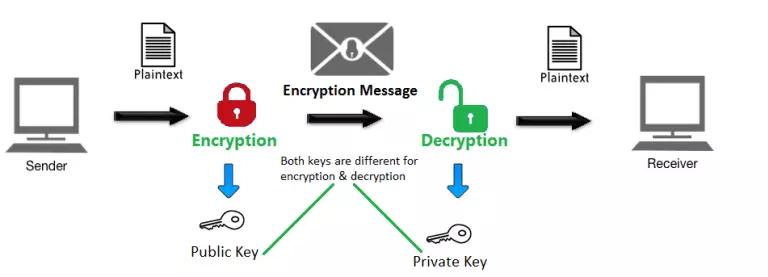
In cryptography, the generic terms private key and public key are used for security purposes. These keys help you encrypt/decrypt important or sensitive data. Public keys are only used to encrypt sensitive information. Only the sender and recipient have access to each other’s private keys, but the public key can be freely shared with multiple users.
3. Wallet Type: Explore different security options
A wallet is a device that helps the holder of assets or funds to store them in a protected location without any worries. Blockchain wallets offer the highest level of security, making them the most trustworthy wallets. The security of blockchain makes the process of performing cryptocurrency transactions and other operations less complicated for users. There are several wallets available in the market, some of them are:
One. Hardware Wallets: Maximum Security for Your Assets
Hardware wallets are the only wallets that truly express the idea behind building cold wallets. Provides security by preventing online disclosure of private keys by any means possible. Hardware wallets work in the same way as flash drives, storing your private keys on a physical device stored in an offline environment. Hardware wallets are one of the easiest types of cold wallets to use because they can be easily connected to a computer or other device with a USB drive.
2. Software Wallet: Balancing Convenience and Security
The term “software wallet” refers to software that can be downloaded and installed on the user’s own computer. It may seem like you’re storing your coins on your computer, but you’re not. Most software wallets offer users the ability to store more than one cryptocurrency, and some wallets also include exchange services that allow users to exchange one cryptocurrency for another without leaving the wallet’s UI. there is.
three. Paper Wallet: Offline Storage for Enhanced Security
When it comes to understanding a paper wallet as one of the types of cryptocurrency wallets, the name tells you a lot about what a paper wallet is and how it works. A paper wallet is literally just a piece of paper that you carry with you. The paper should contain all the information needed to access the digital currency. In most cases, cold wallets provide an additional layer of security.
check out: Top 10 Best Cryptocurrency Wallets in India
How to avoid being hacked?
In today’s digital age, where cyber threats are increasingly prevalent, avoiding hacking is essential. Here are some tips to help you protect yourself from hacking:
Create unique and complex passwords for all your online or cryptocurrency wallet accounts and change them regularly. We recommend that you do not use the same password for multiple accounts. Two-factor authentication adds an extra layer of security by requiring a second authentication method, such as a text message or a fingerprint, to log into your account.

Don’t click on links or download attachments in suspicious emails, even if they appear to come from a legitimate source. To reduce the risk of vulnerabilities being exploited, keep your operating system, applications, and antivirus software up to date with the latest security patches and updates. A virtual private network (VPN) can make your online activities safer by encrypting your Internet connection and masking your IP address.
It’s best not to enter personal information, such as your bank account information, while using a public Wi-Fi network. Hackers can easily intercept data from these networks. Be careful about the information you share on social media, as it could be used by hackers to access your accounts or steal your identity.
Also check: Is cryptocurrency really the future of money?
Best Practices for Cryptocurrency Security
Preventing scams and hacks in the cryptocurrency world can be difficult, but there are some steps you can take to reduce your risk.
1. Use a reputable cryptocurrency exchange
You should do your research on the exchange or platform you plan to use and make sure it has a strong reputation for security and customer care.
2. Enable two-factor authentication (2FA)
Enabling two-factor authentication (2FA) adds a layer of protection to your account, making it much more difficult for malicious actors to access your account.
three. Use a strong password
When setting a secure and unique password for your cryptocurrency account, we recommend using a mix of upper and lower case letters, numbers, and special characters.
4. Keep your private keys offline
Storing your private keys offline, such as in a hardware wallet or other type of secure storage, reduces the risk of hackers stealing your private keys.
5. Beware of phishing scams
Scammers may send you phishing emails or create fake websites to get you to hand over sensitive information or private keys so they can steal your identity. You should exercise extreme caution and always check the legitimacy of any website or email before providing any personal information.
6. Keep your software up to date
To reduce the chance of security flaws being exploited, you should ensure that all cryptocurrency-related applications on your computer, as well as any other software that uses cryptocurrency, have the latest security patches and updates installed.
7. Don’t share personal information
Do not give anyone access to your personal information or login credentials. Doing so may expose you to identity theft and other forms of cybercrime.
Taking these steps and staying informed about the latest security threats can help reduce the risk of fraud and hacking in the cryptocurrency world.
The safest cryptocurrency wallet – Funex Wallet
When it comes to storing cryptocurrency, the Funex wallet is one of the best options. It is user-friendly and includes many safety options. It’s really amazing cryptocurrency wallet Supports Ethereum and Bitcoin. According to Funex users, it’s the best. Multi-Cryptocurrency Wallet If you still have problems, our customer service staff will respond immediately to help you find a solution.
Funex cryptocurrency wallet Secure Wallet for Bitcoin, Ethereum, Tron, Binance, Funex, etc. This is the best cryptocurrency wallet to store multiple cryptocurrencies at once. If you are looking for the most Secure Ethereum WalletDon’t go any further than this top manager. centralized wallet. The best cryptocurrency wallet application for security and speed. This custodial wallet is also fantastic for storing digital assets and NFTs. Compared to other cryptocurrency wallets, this wallet performs better.
conclusion
Cryptocurrencies have revolutionized the financial landscape, providing exciting opportunities for investors and users. But with great potential comes great responsibility. Protecting your digital assets from fraud and hacking is essential to protecting your hard-earned investments. In this blog, we will explore practical and proactive steps to strengthen the security of cryptocurrencies and mitigate potential risks.
As the cryptocurrency market continues to grow, it is important to remain vigilant and proactive to protect your digital assets. By following these best practices and staying up-to-date on the evolving security landscape, you can minimize your risk of fraud and hacking. Remember that protecting your cryptocurrency is an ongoing process, and prioritizing security will ensure a safer and more rewarding cryptocurrency journey. Funex Wallet is a reliable cryptocurrency wallet that allows you to safely store your cryptocurrency.
Frequently Asked Questions
Q1. What is the safest wallet type to store cryptocurrency?
You need to evaluate your requirements while choosing the best and most secure cryptocurrency wallet. However, blockchain wallets are the most secure and allow you to store multiple cryptocurrencies in any amount for a long time. Blockchain wallets are a secure option to manage, store, trade and spend your cryptocurrencies.
Q2. How can I protect my cryptocurrency from SIM card swaps?
It is important to protect your cryptocurrency from SIM card swaps to prevent unauthorized access to your account and funds. Contact your mobile service provider to set up a PIN or password for your SIM card and do not use SMS-based 2FA for your cryptocurrency accounts. Be cautious about sharing personal information, such as phone numbers or account information, online or with unknown individuals.
Q3. Are there any insurance options to protect my cryptocurrency?
Yes, as the demand for cryptocurrencies continues to grow, more and more companies are starting to offer insurance products. Cryptocurrency insurance protects against financial losses due to cybersecurity breaches, such as theft or hacking.
Q4. What should I do if I suspect my cryptocurrency has been compromised?
If you suspect your cryptocurrency has been compromised, change all passwords and enable two-factor authentication (2FA) on all cryptocurrency exchange and wallet accounts. To report an issue, please contact the customer support team of the affected cryptocurrency exchange or wallet provider immediately. If possible, freeze accounts or assets to prevent further unauthorized access.