



abstract
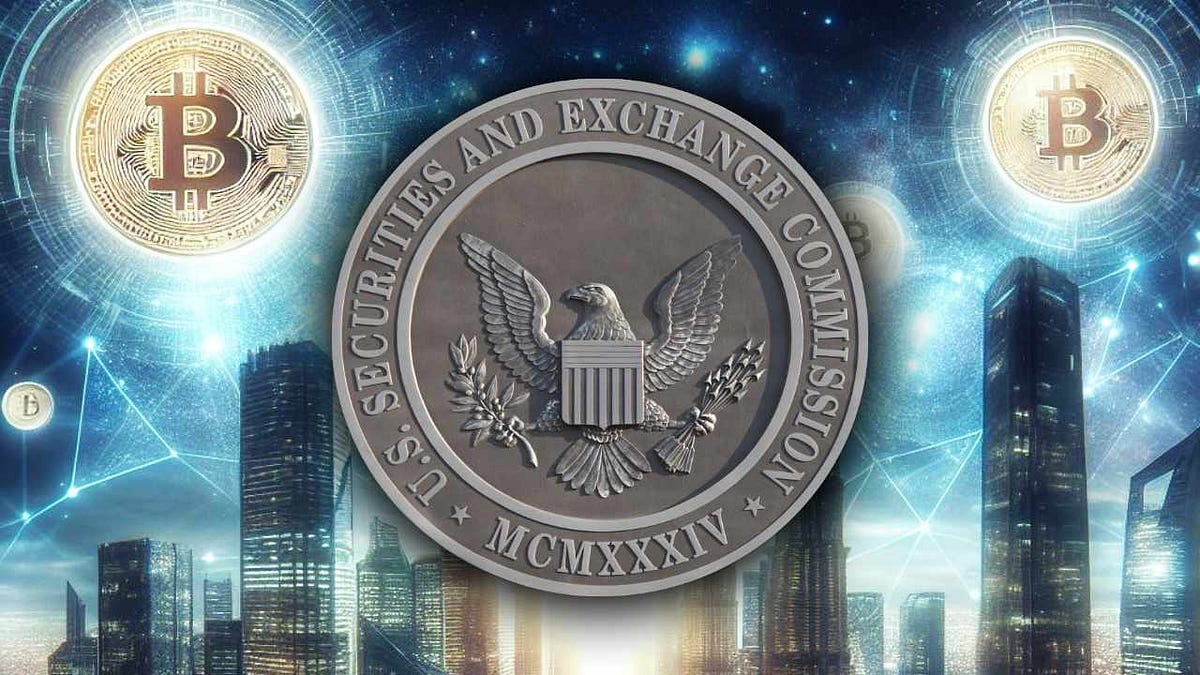
Yes, finally, after a decade of proposals, the Securities and Exchange Commission (SEC) approved the first spot Bitcoin ETF in the United States on January 11, 2024. At this milestone, 11 applicants have been approved. This ETF, called Bitwise Bitcoin ETF, is managed by Bitwise Asset Management and tracks the spot price of Bitcoin. Let’s look at the positive side of DSID and how it affects DX.
The approval of the Bitwise Bitcoin ETF is a major milestone in cryptocurrency history and could have a major impact on the market. Potential impacts of approval include:
- Increased Liquidity and Accessibility: ETFs can make Bitcoin more accessible to investors, which can lead to increased liquidity and trading volume. This could also make Bitcoin more attractive to institutional investors, further stimulating the market.
- Lower Transaction Costs: ETFs typically have lower transaction costs than traditional Bitcoin exchanges, making it cheaper for individuals to invest in cryptocurrencies.
- Strengthening regulatory legitimacy: ETF approval could help legitimize Bitcoin and other cryptocurrencies in the eyes of investors and regulators. This could lead to wider adoption and acceptance of the technology.
Of course, there are also some potential risks associated with the approval of the Bitwise Bitcoin ETF.
- Increased Volatility: Increased liquidity may also lead to increased volatility in the Bitcoin market. This could potentially make it more difficult for investors to generate returns.
- Potential for Manipulation: ETFs may be vulnerable to manipulation by large investors. This could distort the Bitcoin price and make it more difficult for individual investors to profit from the market.
This approval of the Bitwise Bitcoin ETF is a positive development for the cryptocurrency market. This could increase the accessibility and liquidity of Bitcoin, increasing adoption and acceptance of the technology. However, there are also some potential risks associated with ETFs, so investors should carefully consider the risks and rewards before investing.
The approval of a spot ETF tracking cryptocurrencies was a significant milestone in the digital asset space and signaled a shift in regulatory sentiment towards embracing these innovative financial products. The road to this approval has been long and arduous, and proponents of spot ETFs have faced numerous challenges and obstacles along the way.
Early Efforts and Regulatory Uncertainty
The concept of spot ETFs tracking cryptocurrencies emerged in the early 2010s as the nascent cryptocurrency market gained traction. However, regulatory uncertainty surrounding cryptocurrencies and their underlying technologies has been a major obstacle to the development of spot ETFs.
The U.S. Securities and Exchange Commission (SEC) initially took a cautious approach to cryptocurrencies, expressing concerns about their volatility and potential for fraud. The SEC’s hesitation has led to repeated rejection of spot ETF applications from major financial institutions such as VanEck and WisdomTree.
Key moments and regulatory changes
A key moment in the journey to seeing ETF approval came in 2021 when the SEC approved the first Bitcoin futures ETF launched by ProShares. This marks a significant shift in regulatory sentiment, suggesting that the SEC is becoming more receptive to the idea of cryptocurrencies in the investment environment.
Building on the momentum of approval of futures ETFs, proponents of spot ETFs have stepped up their efforts, highlighting the potential benefits of these products for investors and the broader economy. They argued that spot ETFs would provide a more transparent and regulated way to invest in cryptocurrencies, bringing greater accessibility and liquidity to the market.
Final approval and continued growth
The approval of spot ETFs opens up new opportunities for investors to gain exposure to the cryptocurrency market, while also providing more legitimacy to the burgeoning ecosystem. As these products gain widespread adoption, it is likely that we will see more innovation and development in the field and further transform the way we interact with digital assets.
The approval of a spot ETF tracking cryptocurrencies is a significant development in the digital asset space and could impact the development and adoption of digital social identities (DSIDs).
Potential Impact on DSID
The approval of a spot BTC ETF could make it easier for individuals to invest in cryptocurrencies, which could lead to increased use of DSID. This is because DSID allows you to safely store and manage your cryptocurrency holdings. DSID can also be used to access and manage Decentralized Finance (DeFi) applications, which are financial services built on blockchain technology.
Here are some specific ways DSID can be used in the context of spot ETFs and DeFi:
- Secure storage and management of cryptocurrency holdings: DSID can be used to create and manage encryption keys for storing cryptocurrency holdings. This can help protect your personal assets from theft.
- Access to DeFi applications: DSID can be used to authenticate and authorize transactions in DeFi applications. This can help streamline the use of these applications and make them more accessible to more people.
- Personalized Investment Recommendations: DSID can be used to gather information about an individual’s investment objectives and risk tolerance. This information may be used to provide personalized investment recommendations.
Approval of spot ETFs could accelerate the development and adoption of DSIDs. This is because DSID can provide the security, privacy, and control individuals need to manage their cryptocurrency holdings and interact with DeFi applications. As DSID usage increases, we are likely to see more innovative applications leveraging DSID to enhance the user experience and improve the security of digital assets.
https://www.digitalalsocial.id/digitalsocial.id
P.s: next The 11 ETFs are expected to launch on the morning of Thursday, January 11, 2024. With the stocks and announced brokerage fees:
- Grayscale Bitcoin Trust (GBTC) – 1.5%
- Hashdex Bitcoin Futures ETF (DEFI) 0.94%
- Valkyrie Bitcoin Fund (BRRR) 0.0% (after 3 months: 0.49%)
- WisdomTree Bitcoin Trust (BTCW) 0.0% (6 months later: 0.3%)
- Franklin Bitcoin ETF (EZBC) 0.29%
- iShares/Blackrock Bitcoin Trust (IBIT) 0.12% (after 12 months: 0.25%)
- VanEck Bitcoin Trust (HODL) 0.25%
- Fidelity Wise Origin Bitcoin Trust (FBTC) 0% (July 31, 2024: 0.25%)
- ARK Invest/21Shares (ARKB) 0.0% (after 6 months: 0.21%)
- Bitwise (BITB) 0.0% (after 6 months: 0.2%)
- Invesco Galaxy Bitcoin ETF (BTCO) 0.0% (after 6 months: 0.39%)