

For many players, evenings are the time to play online poker. The job is done, the bank calls, and the table is full of action. In such cases, concentration is important. A few smart choices can help you play sharper, make better decisions, and get more fun out of every session.
The right mindset after a long day
Even after a full day, your mind is often still busy. Still, you want a fresh start at the poker table. Therefore, it is a good idea to consciously take a short break before logging in. Going for a walk, drinking water, or putting your phone away can help your brain reset. This way, you won’t be involved in work stress or social noise. Poker rewards caution, not haste. Starting slowly will help you notice patterns faster and prevent you from clicking inadvertently.
Evening hours are popular, which means plenty of tables and incentives. That’s why it’s wise to decide in advance what your goals are. Do you want to learn, relax and play seriously? That choice will determine how many tables you can open and how sharp you have to be. Some players check out information or trends in advance through platforms like besteonlinecasinozondercruks.com so they can start with a clear plan and avoid getting caught up in impulsive decisions.
Your expectations also play a role. If you expect a quick win, you’ll get frustrated more quickly. Think of each session as a training session. Losing is part of it, as is boring rounds. By accepting that you stay calm and make better choices. A calm mindset will ensure you don’t lift after a bad beat and stop gracefully when you notice your concentration fading.
Please create a quiet play environment
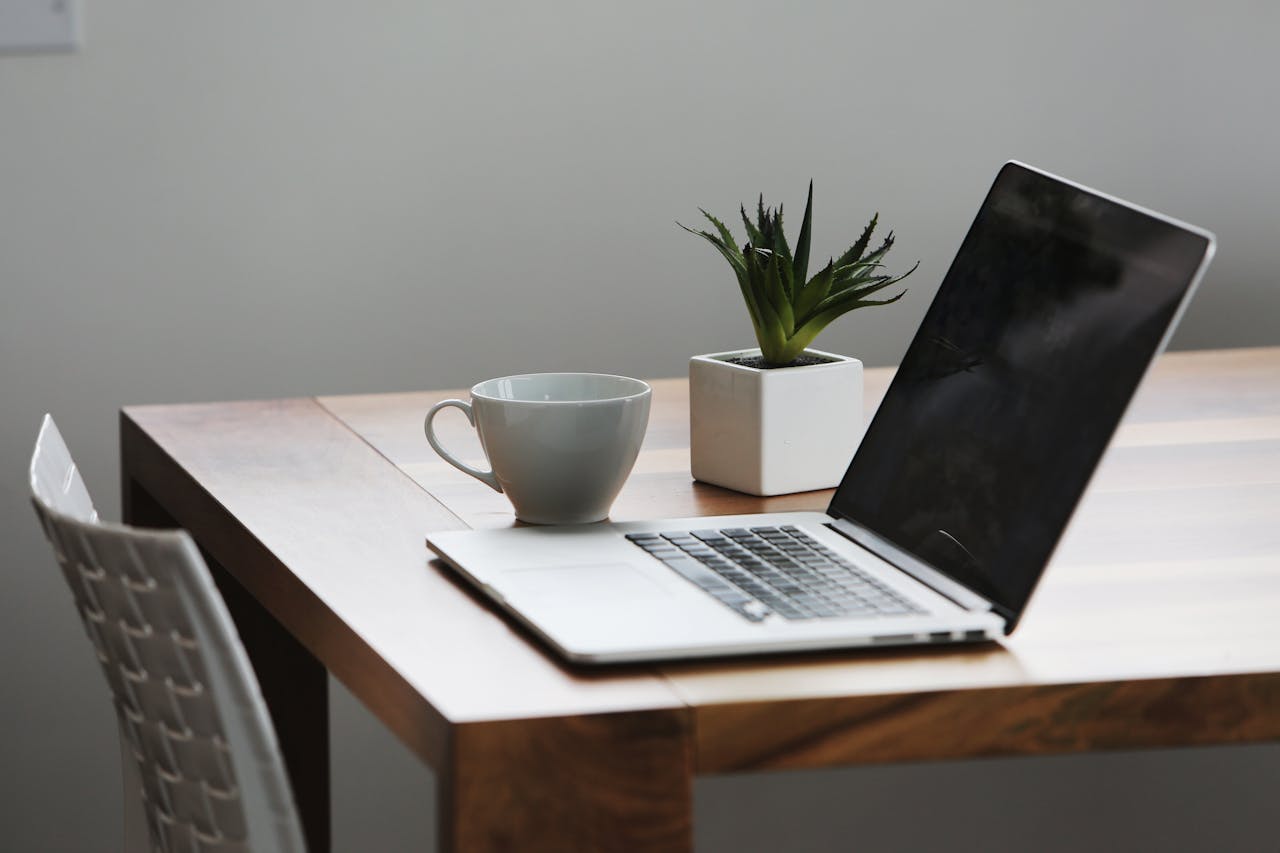
Your environment determines more than you think. Evening time often means TV noise, apps, and people around you. Choose a location with as few distractions as possible. Turn off notifications, prepare snacks, and keep the lights on. This sounds simple, but every moment of distraction reduces your focus and ultimately costs you money. Poker is a game of detail and timing, not background music.
Comfort is also important. It will last longer if you sit comfortably. A bad attitude causes anxiety and it affects your decisions. Having a good chair, a table at the right height, and a glass of water within reach can really make a difference. You don’t need a professional-level setup, but you do need something that doesn’t force your body to fight while you try to think.
Lastly, music can be helpful, but choose wisely. Quiet beats without vocals work better than songs that have you singing along. Some players swear by silence, others by a fixed playlist. Test what works for you and stick with it. A consistent environment trains your brain to go into focus mode faster when you start playing.
Dealing with Fatigue Wisely
Fatigue is the biggest enemy of evening poker. We often notice it too late. It takes longer to make decisions, you make simple mistakes, and suddenly you’re playing hands you normally would fold. The solution is not to try harder, but to plan smarter. Play shorter sessions and truly relax. Get up, stretch, and see how sharp you still feel.
Caffeine can help, but don’t overdo it. Drinking too much coffee can make you anxious, which is reflected in your playing. Drinking water may sound boring, but it clears your head. Light snacks are also more effective than heavy meals. A full stomach can make you lethargic, and you don’t want that if you have to stay focused on difficult decisions.
Also learn to stop in time. Evenings often feel like it’s “now or never”, but there’s another session tomorrow. If you find yourself gambling more than playing, you’re done. Stopping is not a loss, it is a discipline. And discipline always pays more dividends in the long run than pushing through when focus is already gone.
Focus on your virtual table
At the virtual table, attention is everything. Don’t just look at your cards, look at the patterns as well. Who plays too many hands, who bets too little, and who lifts noticeably? By actively observing, you can stay engaged and avoid going into autopilot. This not only makes poker more profitable, but also more fun and challenging.
Multitasking may be tempting in the evenings, but it’s a disaster for gaming. Checking social media or posting a video may seem harmless, but you’re missing out on important information. Every hand tells a story, and if you look away midway through it, you’ll miss the point. Conduct each session as if there were real people sitting at a real table.
Lastly, a steady rhythm helps. Always start a session the same way, play a fixed number of tables and end it consciously. The rhythm trains your concentration. Your brain knows it’s poker time. And the more often you do this, the easier it will be to keep playing sharp, relaxed, and enjoyable even into the late hours.