

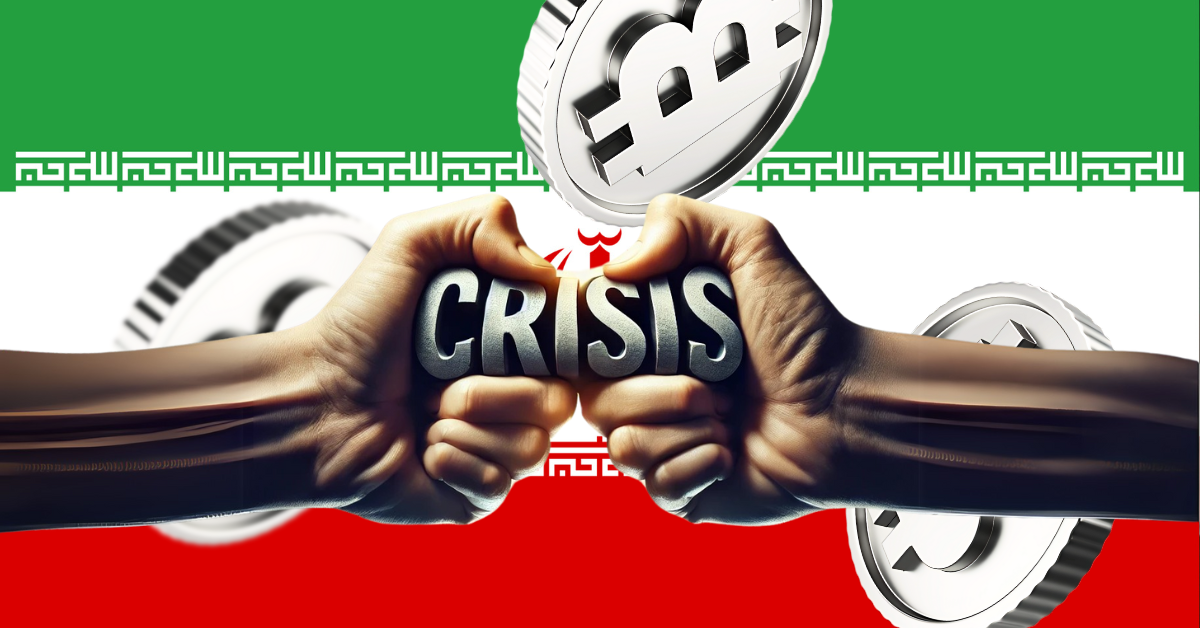
Iran’s national currency, the rial, has fallen to the point where it is effectively worthless for many citizens. Collapse is not the result of a single event. Economists say this reflects years of high inflation, weak growth, sanctions and limited access to foreign currency. What is failing now is something more fundamental: trust in money itself.
As the purchasing power of the rial declines, the crisis is reigniting global debate around alternatives such as Bitcoin. This is not an endorsement, but rather a reflection of how people behave when trust in fiat money is lost.
slow breakdown of trust
In Iran, inflation has eroded wages for years, and sanctions have limited oil revenues and cut the country off from much of the global banking system. Official exchange rates no longer reflect reality, forcing businesses to rely on unofficial dollar pricing.
Households react defensively. Many people try to exchange their salary for dollars, gold or durable goods as soon as they receive it. These actions accelerate the decline of the rial, creating a feedback loop. In other words, the fewer people who trust a currency, the sooner they will abandon it.
This is a common pattern of currency collapse around the world.
Why Bitcoin is in the conversation during a currency crisis
As trust in national currencies erodes, public debate often expands to include financial alternatives. In Iran, Bitcoin and stablecoins are increasingly mentioned in the debate because they operate outside of the domestic banking system.
This does not mean it is safe or suitable for everyone. Volatility, regulatory risk, unequal access to technology, and legal uncertainty remain key barriers. However, during periods of severe financial stress, people tend to consider all possible options, even imperfect ones.
The situation in Iran fits a broader historical pattern.
Lessons from past financial crises
Similar discussions occurred during previous crises.
- Cyprus’ banking crisis in 2013 led the government to confiscate large bank deposits. Fear of losing their savings has led people to seek alternatives outside of traditional banks. Bitcoin reached an all-time high of nearly $147 in 2013 during this crisis.
- In countries such as Argentina, Lebanon, and Türkiye, cryptocurrencies have been discussed publicly due to repeated currency devaluations.
In each case, interest in digital assets grew along with fears, but the results varied widely and the risks remained high.
Why markets are watching Iran closely
Iran’s currency collapse alone is unlikely to be enough to determine Bitcoin’s price direction. But it contributes to a larger global theme tracked by investors: fiat stress.
Currently, Iran is facing the following situation.
- a sharp decline in the national currency
- increased economic hardship
- social unrest and protests
- Stricter financial and communications controls
Historically, this has coincided with a growing interest in non-traditional financial tools, not because they are ideal, but because trust in traditional systems has waned.
Trust CoinPedia:
CoinPedia has been providing accurate and timely cryptocurrency and blockchain updates since 2017. All content is produced by an expert panel of analysts and journalists following strict editorial guidelines based on EEAT (Experience, Expertise, Authority, Credibility). All articles are fact-checked against reputable sources to ensure accuracy, transparency and reliability. Our review policy ensures unbiased evaluations when we recommend an exchange, platform, or tool. We strive to provide timely updates on all things cryptocurrency and blockchain, from startups to industry majors.
Investment Disclaimer:
All opinions and insights shared represent the author’s own views on current market conditions. Please do your own research before making any investment decisions. Neither the author nor the publication is responsible for your financial choices.
Sponsorships and Advertising:
Sponsored content and affiliate links may appear on our site. Ads are clearly visible and our editorial content is completely independent of our advertising partners.