

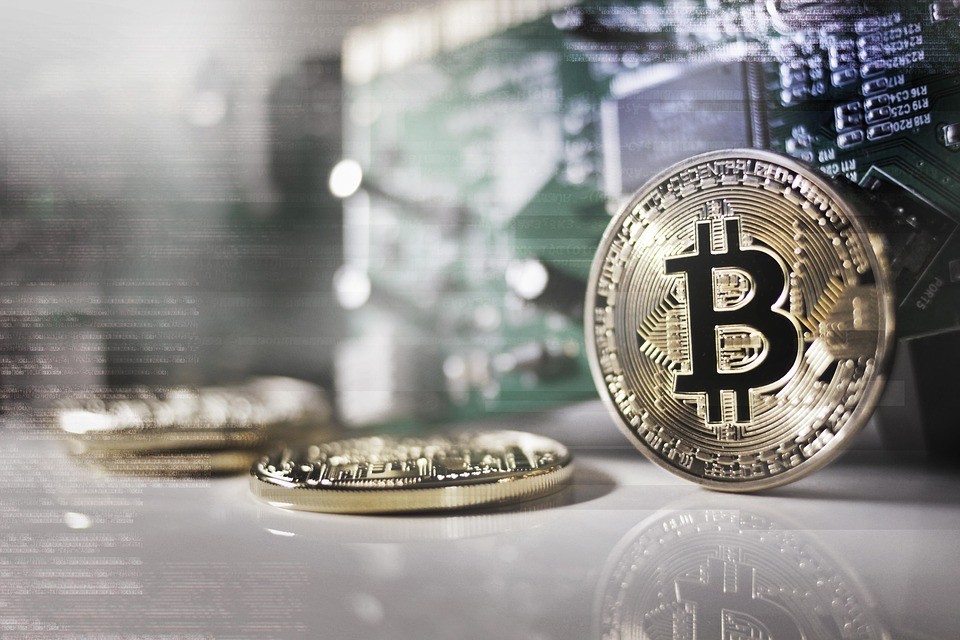
Bitcoin mining remains a topic of concern. This is especially true in Europe, where sustainability is becoming increasingly important. Governments, tech giants, and citizens are working more closely to find a balance between digital transformation and environmental responsibility. Conversations are becoming increasingly technical, but they also impact everyone who uses digital services.
There is growing concern about energy consumption.
The biggest point of discussion concerns the massive energy consumption of Bitcoin mining. The underlying technology, a proof-of-work mechanism, requires continuous computing power that consumes enormous amounts of power. European countries (including the Netherlands) are therefore looking at the impact on local energy networks with increasing concern.
In a country where capacity is already under pressure, there are concerns that large-scale mining activity will place further strain on the power grid.
In the same vein, the broader digital behavior of Europeans is increasingly attracting attention. As the debate over energy-intensive mining heats up, online forms of entertainment are shifting to more economical and eco-friendly digital alternatives.
This can be seen, for example, in the rise of responsibly regulated international online casinos where users are becoming more aware of their digital footprint. Read more about the best foreign gambling sites here. Today it becomes clear how responsible and technologically advanced these platforms have become.
This fits perfectly into the broader trend of European internet users putting their digital choices under a more sustainable microscope.
Ecological footprint of mines
In addition to energy use, CO2 emissions are also clearly displayed. In regions where electricity still comes partly from fossil energy sources, Bitcoin mining contributes significant carbon emissions.
Researchers emphasize that ecological impacts vary greatly between countries. For example, countries that rely heavily on renewable energy score higher, but even there, questions remain about whether sustainable energy should be used for mining. The debate is slowly moving from how to mine in a more sustainable way to the question of whether mining fits Europe’s climate goals.
Europe’s climate policies (particularly the European Green Deal) set the bar high. Member States must reduce energy consumption, reduce emissions and promote innovation that supports the transition to a green economy.
In that context, large-scale Bitcoin mining feels like a move against the odds for many policymakers. The technology is emblematic of a broader discussion on how Europe can foster digital growth without putting a strain on the planet.
Dutch initiatives on energy transition
The Netherlands takes a critical look at the balance between economic opportunities and ecological consequences. The energy transition is one of the biggest papers of the coming decades, which means new forms of digital energy consumption will be closely evaluated.
This applies not only to mining, but to any data center you want to establish in the country. Local authorities look into where the space is, what energy sources are available and how new projects do not conflict with climate ambitions.
In discussions on mining, it is noteworthy that Dutch policymakers favor technologies that use energy efficiently or contribute to a circular economy. At the same time, the door is not necessarily closed.
The Netherlands is known as a progressive country in the field of digital innovation. This requires a balance within a rigorous sustainability framework while providing space for technological innovation.
Search Mining Rules in Europe
More broadly, Europe is working on a unified approach to Bitcoin mining. One of the most important steps is collecting data on actual energy consumption and associated environmental impacts. Only with reliable numbers can we design economically and ecologically defensible policies.
Several member states are requiring mining companies to disclose their energy sources so that transparency becomes the norm.
Additionally, policymakers are examining systems to encourage mining companies to use only renewable energy. Subsidies, tax breaks or stricter regulations may play a role in this. In this sense, Europe is in a transition phase. There is no hard line yet, but the outlines of future policies are becoming increasingly visible.
Innovation vs. Responsibility
Another part of the debate concerns the role of innovation. Bitcoin and blockchain proponents emphasize that mining is essential to network security and that the technology can make many sectors more sustainable in the long term.
Think transparent supply chains, more efficient documentation processes, or smart contracts that limit human error and energy waste. According to the group, mining is worth freeing up space to enable these innovations.
However, critics emphasize the direct effects of energy-intensive data processing. They believe that technological innovation should not lead to structural environmental damage. This is especially true in a world that has already reached its ecological limits. The tension between progress and responsibility thus forms the core of the European mining debate.
The role of citizens in environmental discourse
It is surprising that European citizens are becoming more and more informed about digital sustainability. A few years ago, the conversation centered around technology, but now you can find discussions in our living rooms about CO2 emissions from data centers or the importance of green energy.
This social engagement increases political pressure, making governments more inclined to investigate stricter rules.
conclusion
Bitcoin mining is at the center of an intense debate in Europe, where energy consumption, CO2 emissions and climate goals are key. Europe is looking for a future where digital innovation enables greener choices without sacrificing sustainability.
How quickly balance is found will depend on policy, technological progress, and the willingness of businesses and consumers to take responsibility.